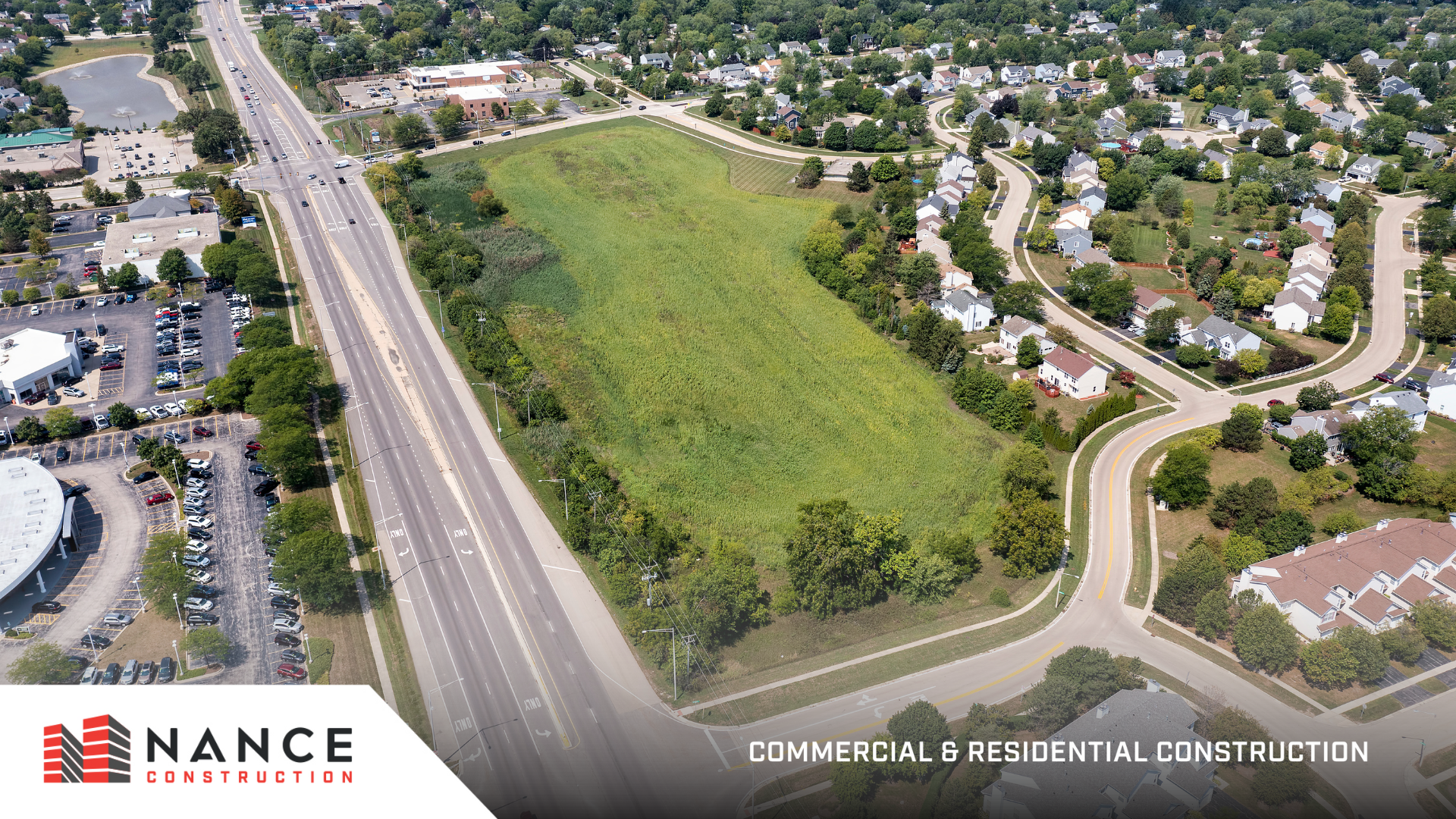
Choosing the right location for a commercial construction project is a decision that significantly influences the long-term success of the business. Whether you’re planning a retail center, office building, or industrial facility, the site you select affects accessibility, operational efficiency, and overall profitability.
Some key factors to consider when selecting land for commercial projects, includes:
- Infrastructure
- zoning regulations
- future expansion potential
Infrastructure and Accessibility
A prime location should be supported by robust infrastructure, including transportation networks, utility services, and communication systems. Proximity to major highways and public transit options are needed to allow easy access for employees and customers. Additionally, reliable utility connections, and high-speed internet are vital for maintaining day-to-day business functions.
When assessing accessibility, the needs of your target customers and employees should be a prime consideration. For example, retail stores benefit from high-traffic areas with visible storefronts, while industrial facilities require efficient transport routes for logistics and supply chain operations.
Zoning Regulations and Land Use
Zoning laws dictate how land can be used, impacting the type of commercial property you can build and the kind of business activities allowed. Before purchasing land, it is crucial to research local zoning ordinances and ensure the site is designated for your intended use. Verify that the area allows for commercial construction, mixed-use developments, or specific industry operations.
Legal considerations can influence the design, size, and layout of your commercial project. Failing to comply with zoning regulations can lead to costly delays, fines, or even legal disputes, making it essential to thoroughly understand the land’s legal constraints. Investigate building codes, environmental regulations, and permitting requirements.
Market Demographics and Competition
Successful site selection requires a deep understanding of the local market and competitive landscape. Identify suitable areas with high demand for your products or services using demographics such as:
- Population size
- Income levels
- Consumer behavior
Analyze the competition in the vicinity; too close to competitors can saturate the market, reducing profitability. But locating your business in an underserved area presents an opportunity to capture a larger market share. Conduct a comprehensive market analysis that informs your site selection strategy and maximizes the potential for commercial success.
Future Expansion and Growth Potential
Choosing a site with room for future expansion is a strategic decision that supports long-term business growth. Commercial projects often require additional space as businesses expand their operations, add new product lines, or hire more employees. Selecting a site that accommodates these changes minimizes the need for relocation and associated expenses.
Costs and Budgeting
Beyond the purchase price, there are other financial considerations that should be taken into account before project commencement. Additional costs such as land preparation, utility installation, taxes, and permitting fees can all add to the overall cost. Unforeseen expenses like soil remediation or environmental impact assessments can also affect your budget. A cost analysis ensures you select a site that aligns with your financial capacity and investment goals.
Final Thoughts
Choosing the best location for your commercial build involves a strategic analysis to help real estate developers, business owners, and investors can make informed decisions that drive profitability and sustainable growth. At Nance Construction, we specialize in guiding clients through the commercial site selection process.
Contact us today to learn how we can help you find the perfect site for your next commercial construction project.